
 Italiano
 English
I turn your ideas into smart, functional, and connected devices. Specializing in ESP32 and STM32 microcontrollers.
Do you have a hardware project that needs a software soul? Or an existing product to make "smart"? Firmware development is the heart of every modern electronic device. I write robust, efficient, and custom code to bring your products to life, from prototype to mass production.
My Firmware Development Services
I offer a comprehensive service to support you through every stage of the product lifecycle.
- Custom Firmware Design and Development: Writing code from scratch, optimized for the specific needs of your hardware and features.
- Rapid Prototyping: Developing Proof-of-Concept (PoC) and functional prototypes to quickly validate your idea in the field.
- Connectivity and IoT: Implementing communication protocols for connected devices (Wi-Fi, Bluetooth/BLE, LoRa, MQTT, HTTP) to integrate your product with cloud platforms and mobile apps.
- Resource Optimization: Developing low-power firmware for battery-operated devices and optimizing performance for critical applications.
- Sensor and Actuator Integration: Managing any type of sensor (temperature, humidity, accelerometers, GPS, etc.) and controlling actuators (motors, relays, displays).
- Board Support Package (BSP) and Drivers: Developing custom drivers for specific peripherals and components.
- Debugging and Maintenance: Analyzing, fixing bugs, and updating existing firmware to improve stability and functionality.
Specialized Platforms
I have deep experience with the most versatile and powerful microcontrollers on the market.
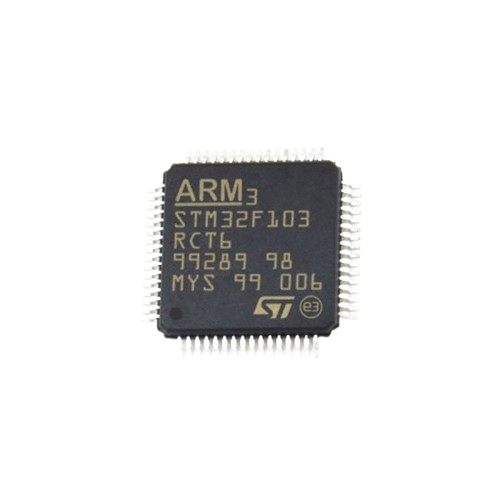
STMicroelectronics STM32
For applications requiring high performance, reliability, and precise control of peripherals.
- Advanced peripheral management (ADC, DAC, PWM, CAN, I2C, SPI).
- Development based on the STM32CubeMX and HAL/LL ecosystem.
- Implementation of Real-Time Operating Systems (RTOS) like FreeRTOS for complex, multitasking applications.
Espressif ESP32
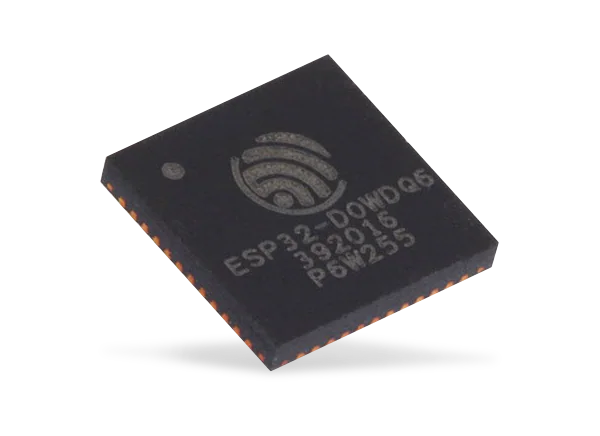 The ideal choice for connected devices (IoT) and rapid prototypes thanks to its unbeatable cost/performance ratio and integrated connectivity.
- Development of applications with Wi-Fi and Bluetooth (Classic & BLE).
- Use of the native ESP-IDF framework for maximum control or the Arduino platform for faster development.
- Creation of embedded web servers, MQTT clients, and REST API management.
My Approach
- Analysis: We start with your idea. Together, we analyze the functional requirements, technical challenges, and project goals.
- Design: I define the software architecture, choosing the most suitable components and technologies to ensure a scalable and maintainable result.
- Agile Development: I write clean, modular, and documented code. I keep you constantly updated on progress with incremental releases.
- Testing and Validation: I perform rigorous tests to ensure the firmware is stable, secure, and meets all required specifications.
- Delivery and Support: I deliver the complete source code and offer post-launch support for any integrations or future evolutions.
Ready to bring your hardware project to life?
Whether you are a startup, an established company, or an innovator, I can help you develop the firmware that makes a difference.
Let's Talk About Your Project